Spider Mahjong with eight tile legs
A body and eight radiating legs - Free the legs to reach the core.How to Play Spider Mahjong
In a nutshell: A body and eight radiating legs - Free the legs to reach the core. You clear 112 tiles stacked up to 3 layers high, it's rated moderate to hard, and around 60% clear once you time the legs and body right.
Spider Mahjong builds a compact central body with eight legs radiating outward, each leg a short run of tiles reaching across the table. The legs are the puzzle: their tips are free immediately, but the tiles where each leg joins the body stay locked until the leg is cleared, and the raised body only opens once enough legs are gone. It plays tighter than the open Picture layouts - you have to decide which legs to retract and in what order so the body is never sealed off. The rules are unchanged - match identical free tiles, Flowers and Seasons matching within their groups - but the radial shape makes for a genuinely strategic solve. Every Spider on Mahjong.now is generated solvable, so all eight legs and the body can always be cleared with the right plan of attack.
Spider at a glance
| Goal | Clear the spider's eight legs and its central body by matching free tiles in pairs until the whole creature is gone. |
|---|---|
| Tiles | 112 mahjong tiles (56 matching pairs) |
| Layers | Stacked up to 3 layers high |
| Difficulty | Moderate to hard |
| Chance of clearing | Around 60% clear once you time the legs and body right |
| Family | Picture Layouts |
Step by step
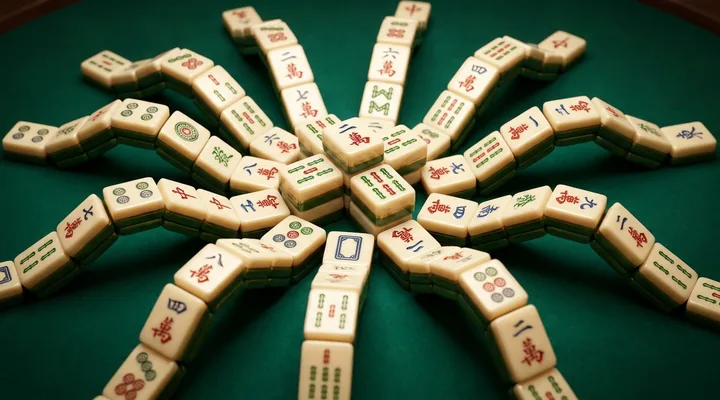
Goal
Clear the spider's eight legs and its central body by matching free tiles in pairs until the whole creature is gone.
The legs
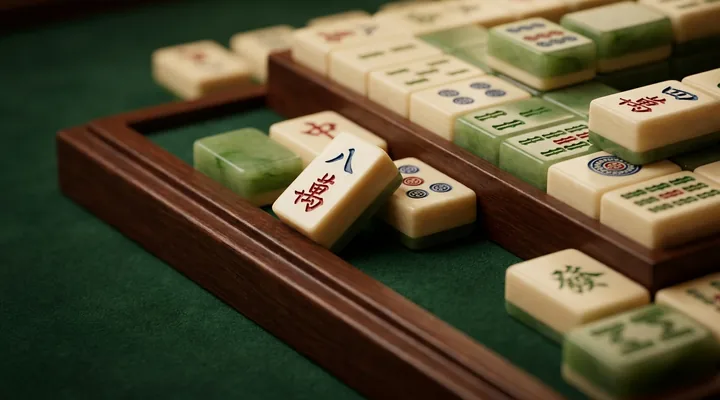
Each leg is a short run of tiles. The tip of a leg is free first, and clearing inward along a leg frees the next tile each time.
Matching
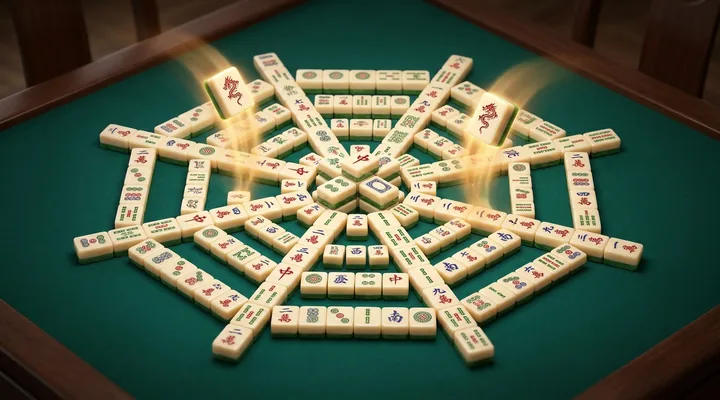
Tap a free tile then a matching free tile. Match leg tiles against each other or against the body as they open.
The body
The raised central body is covered until you retract enough legs to give its tiles an open edge, so plan which legs to clear first.
If it freezes
When no pair is free, Shuffle redistributes the remaining tiles, and Undo rewinds a match so you can retract a different leg.
History of Spider Mahjong
The spider is a natural subject for a tile layout: a body with eight legs is inherently radial, and radial shapes make interesting Mahjong Solitaire puzzles because the legs all compete for the same central space. Insect and arachnid layouts have appeared across the genre for exactly that reason.
A spider shape shifts the puzzle from scanning to sequencing. With legs radiating from a shared body, the question is not just which pair to take but which leg to retract first so the core never gets sealed. That makes the spider one of the more strategic picture shapes, a step up from the open dragon and cat.
On Mahjong.now the Spider bridges the Picture and Challenge families: still clearly themed and approachable, but tight enough that it rewards planning the order of your legs rather than grabbing the nearest tip.
How to Clear Spider: Strategy
💡 Top tip: Retract opposite legs in pairs - clearing legs on both sides keeps the body balanced and its edges opening evenly.
Winning tips, in order of importance
- Work each leg from the tip inward; a leg frees one tile at a time, so half-clearing several legs wastes open edges.
- Do not seal the body - always keep at least one leg-join open so the core has an edge to work from.
- Clear fully-free foursomes immediately so their partners never end up trapped where a leg meets the body.
- Trace the leg-to-body join before matching; that junction tile often pins the whole leg and the body edge at once.
- Hold Flowers and Seasons back as flexible pairs for when the twin you need is buried in the body.
- Use Hint when a leg genuinely stalls, but try to read the radial shape yourself - it is what makes your clears reliable.
Advanced tactics for Spider
- Think in opposite pairs of legs: retracting a leg and its mirror keeps the body symmetric so it collapses cleanly at the end.
- The junction where each leg meets the body is a double-blocker - it holds both the leg's last tile and a body edge, so freeing it is high value.
- Because legs share the body, the order you clear them in decides which body edges open; sequence legs so the core is never fully covered.
- Count pairs against open positions; the Spider dries up faster than open layouts, so stop spending easy leg tips if the body is still sealed past halfway.
- When two matches are available, prefer the one that opens a body edge over the one that only shortens a leg tip.
- Keep a reserve pair on a couple of legs so a late shuffle stays a choice rather than a forced move.
- If you shuffle, do it with several legs still intact - the solver needs those tiles to rebuild routes into the body.
Common Spider mistakes to avoid
- Half-clearing many legs at once - each leg frees one tile at a time, so fully retract legs in opposite pairs instead of nibbling all eight.
- Sealing the body - always keep at least one leg-join open so the central body has an edge to work from.
- Ignoring the leg-to-body junctions - those tiles pin both a leg and a body edge, so freeing them is high value.
- Spending easy leg tips while the body stays sealed past halfway - slow down and open a body edge instead.
Spider Variations
Eight-legged Spider
The classic body-and-eight-legs layout you play here, with legs radiating on all sides.
Web Spider
A house variant that adds a ring of tiles connecting the leg tips, turning the eight legs into a web to clear inward.
Crab-legged Spider
A tougher version with longer, doubled legs that each need a deeper retraction before the body opens.
Daily Spider
The shared daily version - the same solvable Spider for everyone, ranked on time.
Race Spider
The multiplayer version where two players retract identical Spiders and race to finish first.
Spider FAQ
How many tiles are in Spider Mahjong?
The Spider is built from 112 tiles in 56 pairs - a compact central body with eight radiating legs.
Why can't I open the body?
The central body is raised and covered until you retract enough legs. Each cleared leg gives the body tiles beside it an open edge, so the body opens gradually as the legs go.
Is Spider Mahjong hard?
It is one of the tougher Picture layouts. The radial shape dries up faster than open layouts, so you have to sequence which legs to clear so the body never gets sealed off.
Where should I start?
At the leg tips, ideally clearing legs in opposite pairs so the body stays balanced and its edges open evenly on all sides.
Is every Spider solvable?
Yes. Each Spider deal is generated in a solvable order, so all eight legs and the body can always be cleared with the right plan.
What is the biggest mistake on the Spider?
Half-clearing lots of legs at once. Each leg frees one tile at a time, so it is better to fully retract legs in pairs than to nibble at all eight.
How do Flowers and Seasons work here?
Any Flower matches any other Flower and any Season matches any other Season, giving you flexible pairs mixed into the legs and body.
What do I do if I get stuck?
Use Shuffle to redistribute the remaining tiles into a solvable arrangement, or Undo to rewind and retract a different leg.
Does clearing faster raise my score?
Yes. A quicker clear scores higher and ranks better on the leaderboard, with no clock forcing a single game.
Can I play the Spider on mobile?
Yes. The layout scales to your screen and tiles respond to taps, so it plays fine on phones and tablets.
Still have a question about Spider Mahjong? Browse the full Mahjong FAQ, look up a term like free tile or picture layouts in the Mahjong glossary, or compare Spider with the other layouts in the rules for every Mahjong layout.
Last updated .